
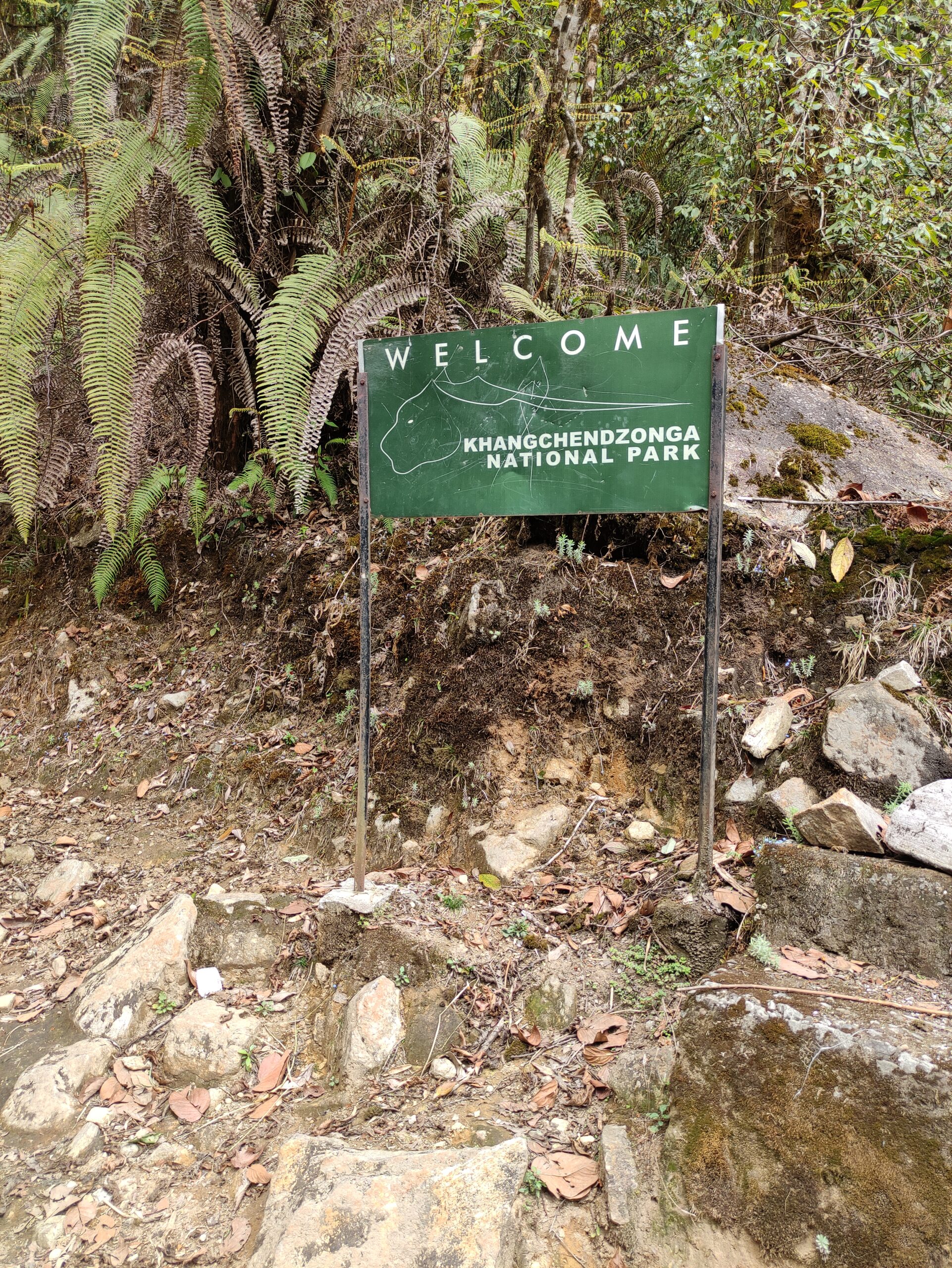

Kalpavriksh has been documenting the ways in which State-led conservation efforts through the ‘Protected Area’ model has impacted the lives and livelihoods of communities who have been living in and around these areas for generations. This is an extensive collaborative study carried out in association with local communities living in and around protected areas, civil society organizations, activists and independent scholars.
In 2020, Kalpavriksh and the Environmental Justice Atlas team launched an interactive map highlighting the negative impacts of the current model of exclusive ‘Wildlife Conservation’ policies and practices on local and indigenous communities in India. This portal builds on this map and highlights case studies from protected areas including tiger reserves, national parks and wildlife sanctuaries highlighting issues of illegal alteration of protected area boundaries, large scale displacement of local communities through relocations and evictions and the discrepancies and legal violations during such processes, instances of human-rights violations including harassment of communities often leading to injuries, false arrests and deaths.
In addition to such environment injustices and human rights violations, the map also aims to address the low implementation of the Scheduled Tribes and Other Traditional Forest Dweller’s (Recognition of Forest Rights) Act, 2006 also called as the Forest Rights Act and the reasons for such low implementation of the act especially in protected areas.
While it is clear that there are several restrictions on local communities’ rights and access to these forests, large scale developmental projects continue to be given clearance in protected areas therefore leaving wildlife, the landscape and local communities vulnerable to such destruction.
This portal is a continuous process towards documenting, recording and analyzing the socio-environmental conflicts emerging within various protected areas in India. With the hope that highlighting these issues will create a wiser debate around official conservation policies and praxis in India and lead it to become part of a sustainable and just society with a much greater and wider support for conservation among local, national and global communities.